



I'm Xiao Xuan, just a Tanuki Fur Hire.

I build game backends and netcode, and I run the servers that keep live games up. These are some of the games I've worked on, and you can play one of them right here.

On screen: Order N ChaosMusic: Sim Wei Jun

I work on the online side of games, which is the backends, the netcode, and the servers that keep them running.

I'm a third-year Computer Science student at SIT and DigiPen in Singapore. I created otomo, a self-hosted game backend that two live games run on, I was the tech lead and networking programmer on our team's custom C++ engine, and I run the servers for a mobile game that its community brought back after it was shut down.

I'm looking for a 12-month internship (IWSP) from 3 May 2027 to 28 April 2028, so if that sounds like something your team needs, send me an email.

Free for an internshipMay 2027for 12 months

Games

These are the games I've worked on. Five of them can be played right here, and the rest have a trailer or a download.

Order N Chaos

Game: 1v1 tactics, playable here

Pixel art of two armoured knights clashing lances. The Order knight on the left trails blue flame under a bright sky, and the Chaos knight on the right trails magenta flame under a purple one.Playable

A 1v1 tactics game where both players plan their turn at the same time, without seeing what the other is doing. I was the tech lead and wrote the networking, and you can play a Godot port of it on this page.

Did you know? It runs on GGEngine, a C++ engine that our team wrote ourselves.
Elemaniacs

Game: co-op action RPG, in development

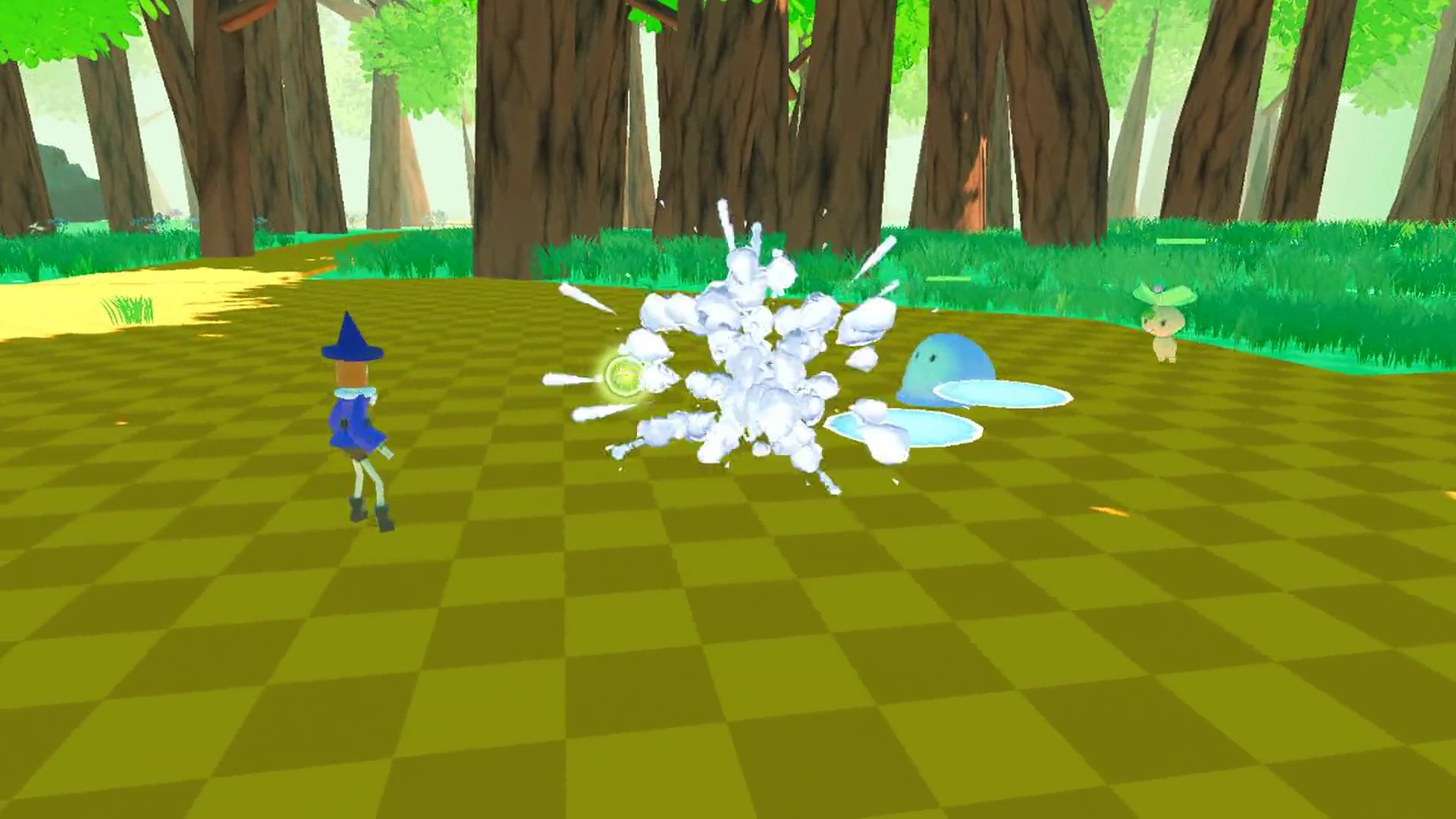
A witch in a blue hat casts into a burst of white steam beside a blue slime, with two small plant creatures watching from the edge of a forest clearing.Download

A co-op action RPG for up to four players, where you combine elemental spells to cause reactions. It runs on otomo, the backend I created, and I integrated the SDK that connects the two.

Did you know? Our designers can change the game's balance numbers without shipping a new build.

Riskcuit

Game: jam entry, playable here

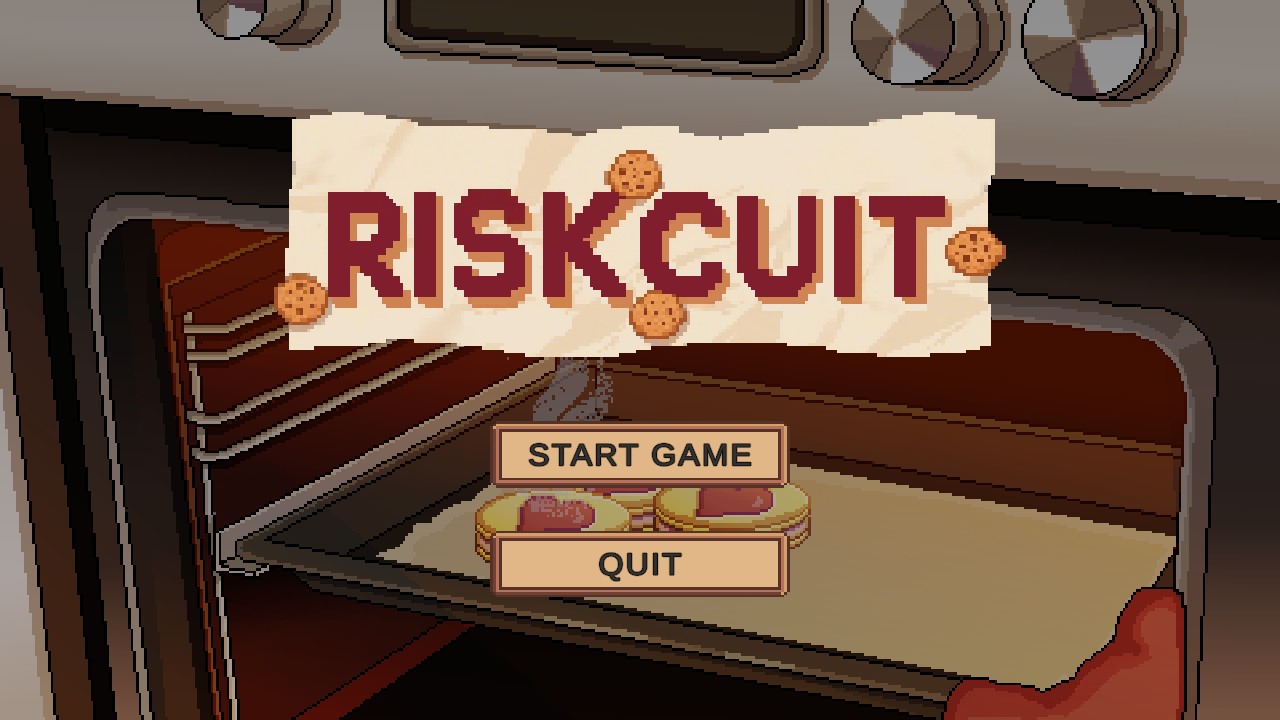
The Riskcuit title screen. The name is on a torn paper banner dotted with cookies, over an open oven with a tray of biscuits, with Start Game and Quit buttons.Playable

A game jam entry where you play a village baker who is quietly poisoning the village. I was the game programmer, and I owned the programming of almost all the systems.

Did you know? It was made in about a week and a half for Brackeys Game Jam 2025.2.

BeanstalkBlitz

Game: racing prototype, playable here

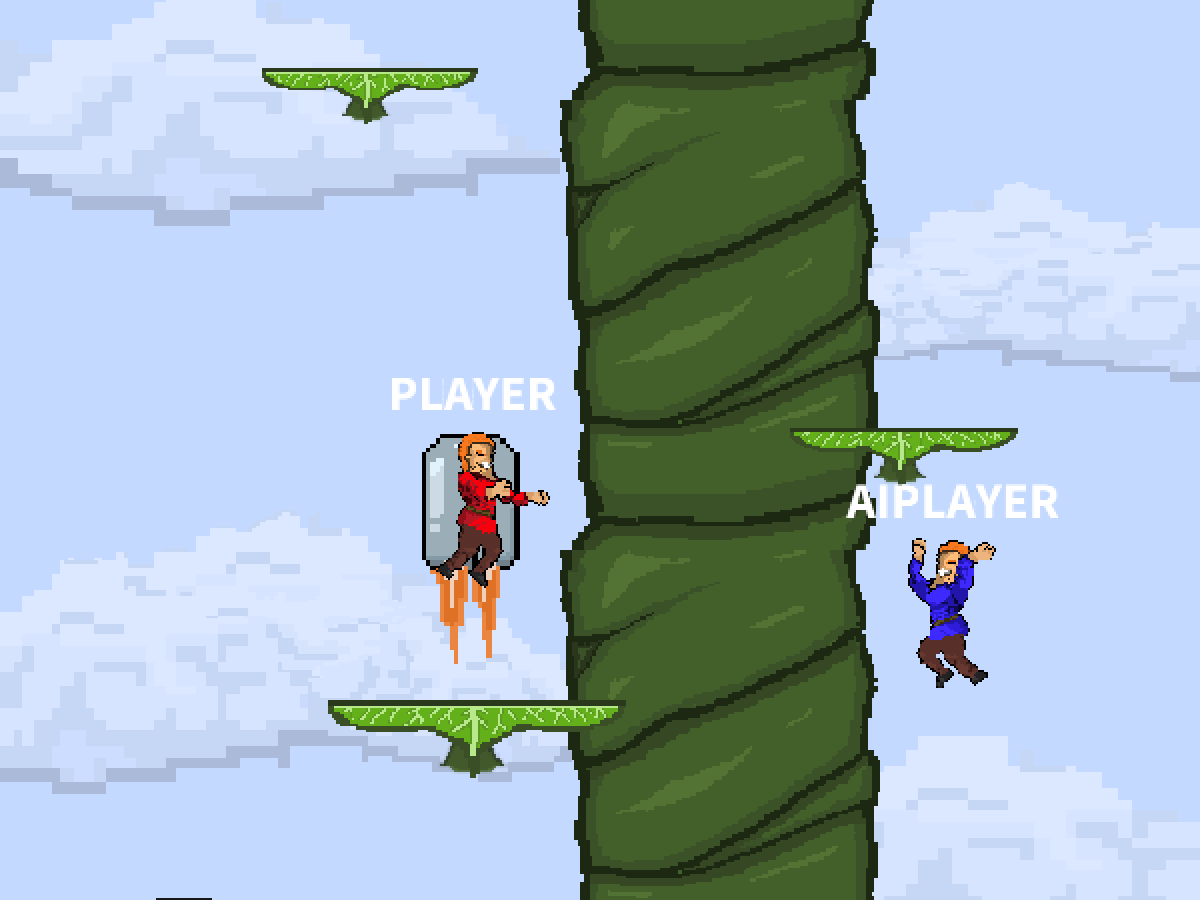
A BeanstalkBlitz race. The player, in red, rides a rocket power-up up the left side of a giant beanstalk while a computer racer in blue jumps on the right. A chicken on a leaf has thrown an egg, and three coloured bars on the brick wall show how high each racer is.Playable

A multiplayer racing game written in C++ on Alpha Engine, DigiPen's static C++ library. I wrote the networking, including the lobbies and the RPC system.

Did you know? The maps are never sent over the network. The server sends four seeds, and every player generates the same map from them.

Trash Towkay

Game: cards, about recycling in Singapore

2nd place

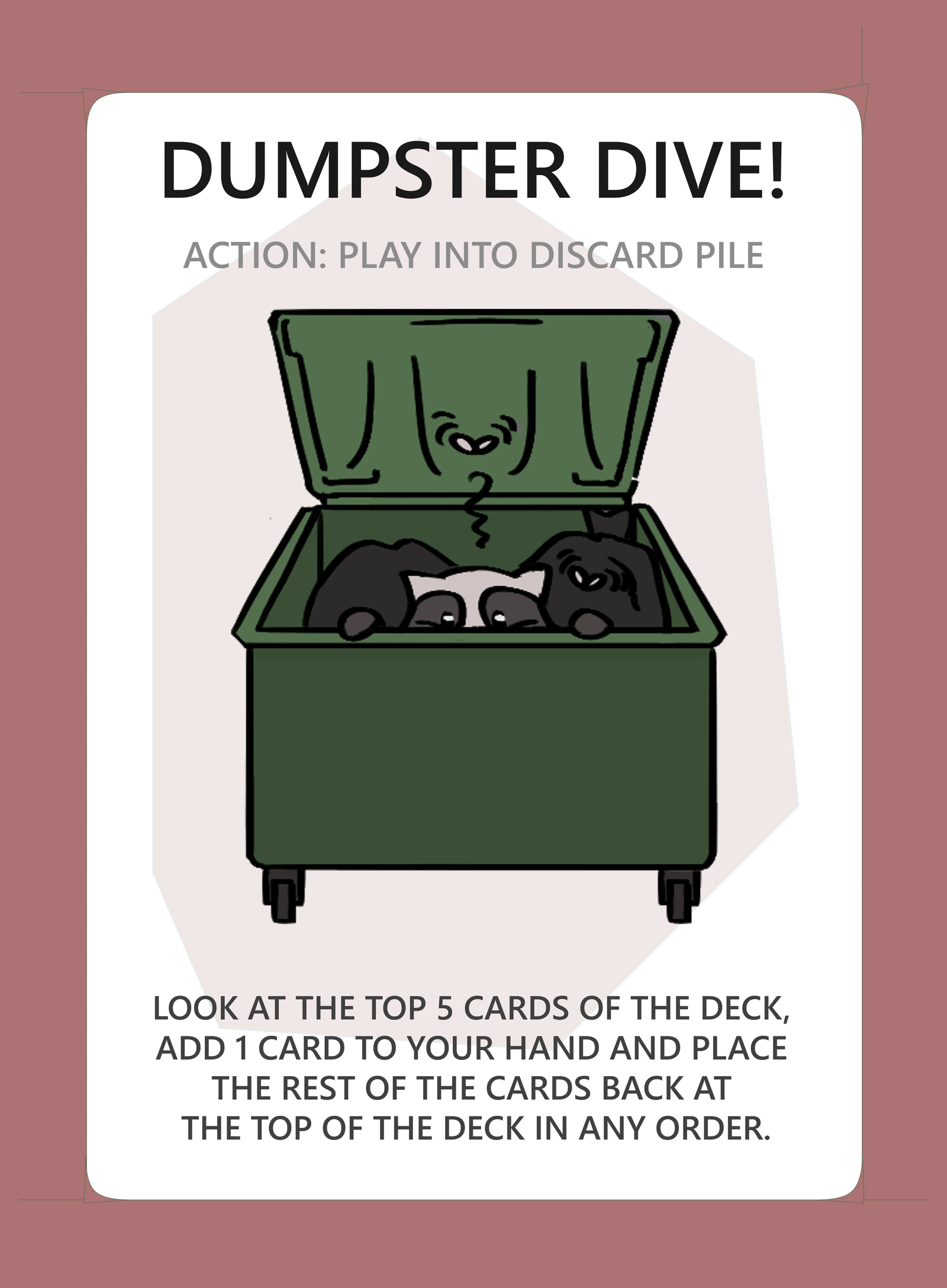
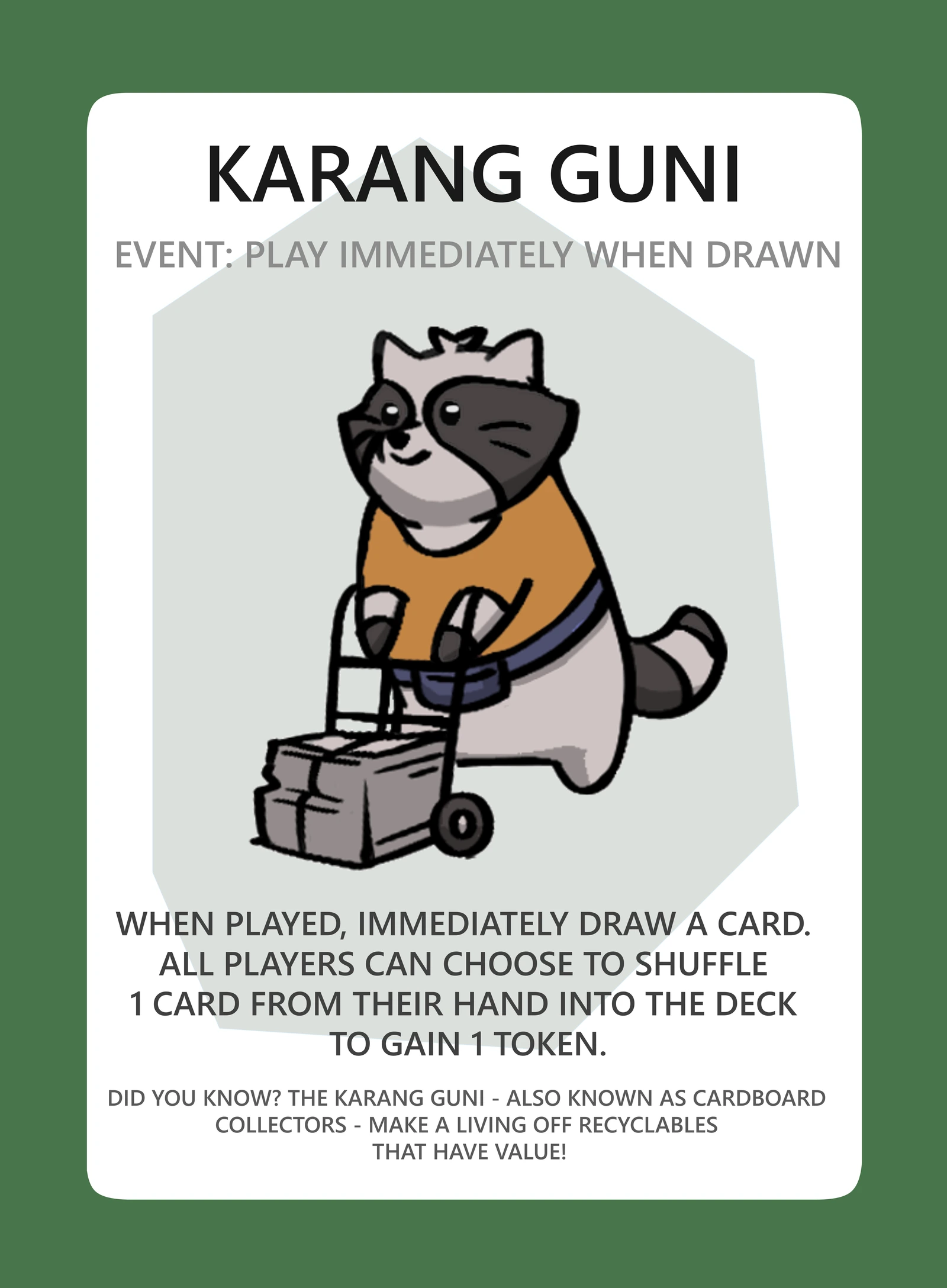
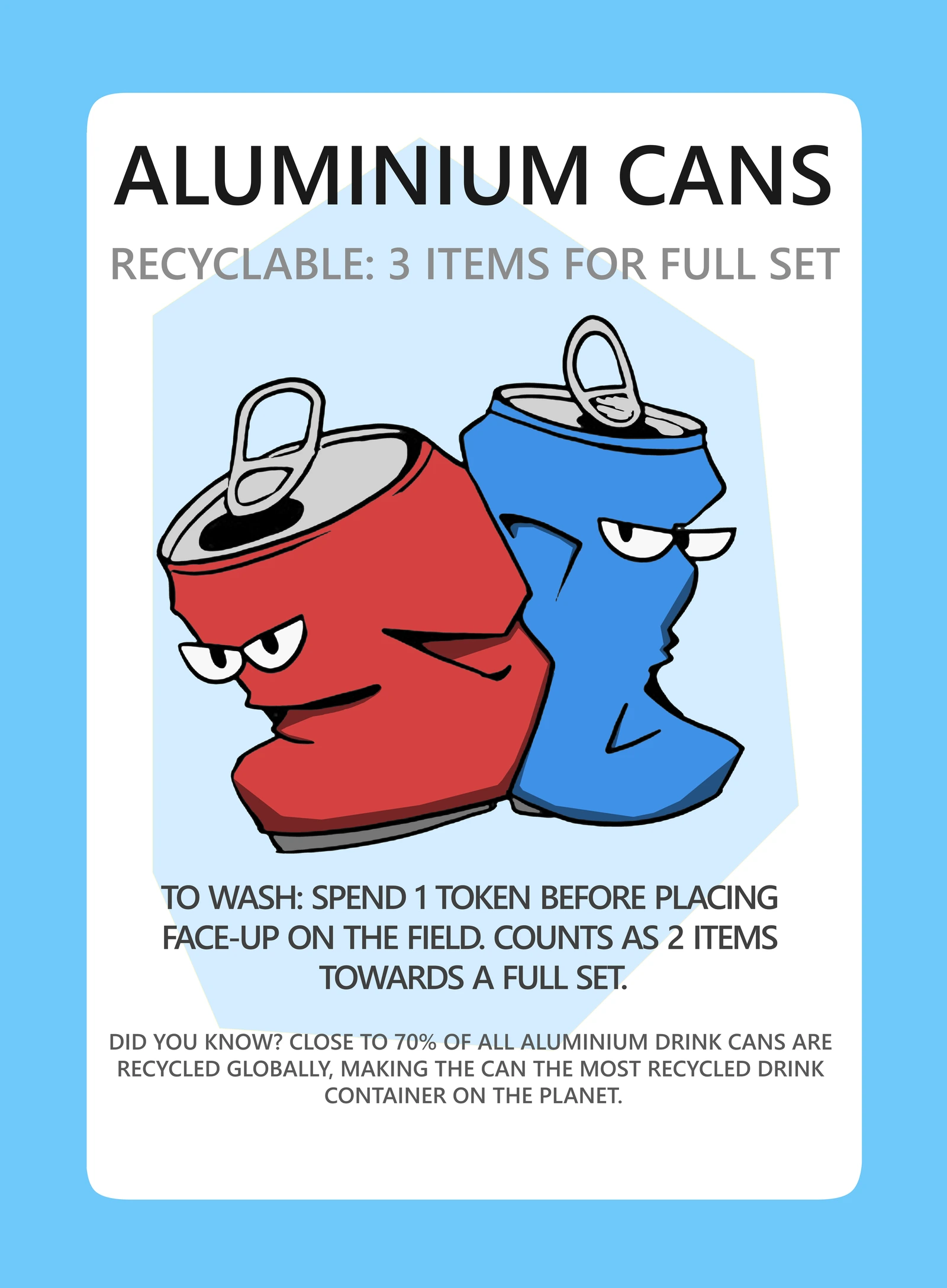
A card game about communal recycling in Singapore. I led the design and the team, and we took it from a 2-day game jam to a finished game in 2 months.

Did you know? It placed 2nd out of more than 30 teams in the OneService Game Changers Challenge.

十五条佛规 · 拼图

Game: tile puzzle, playable here

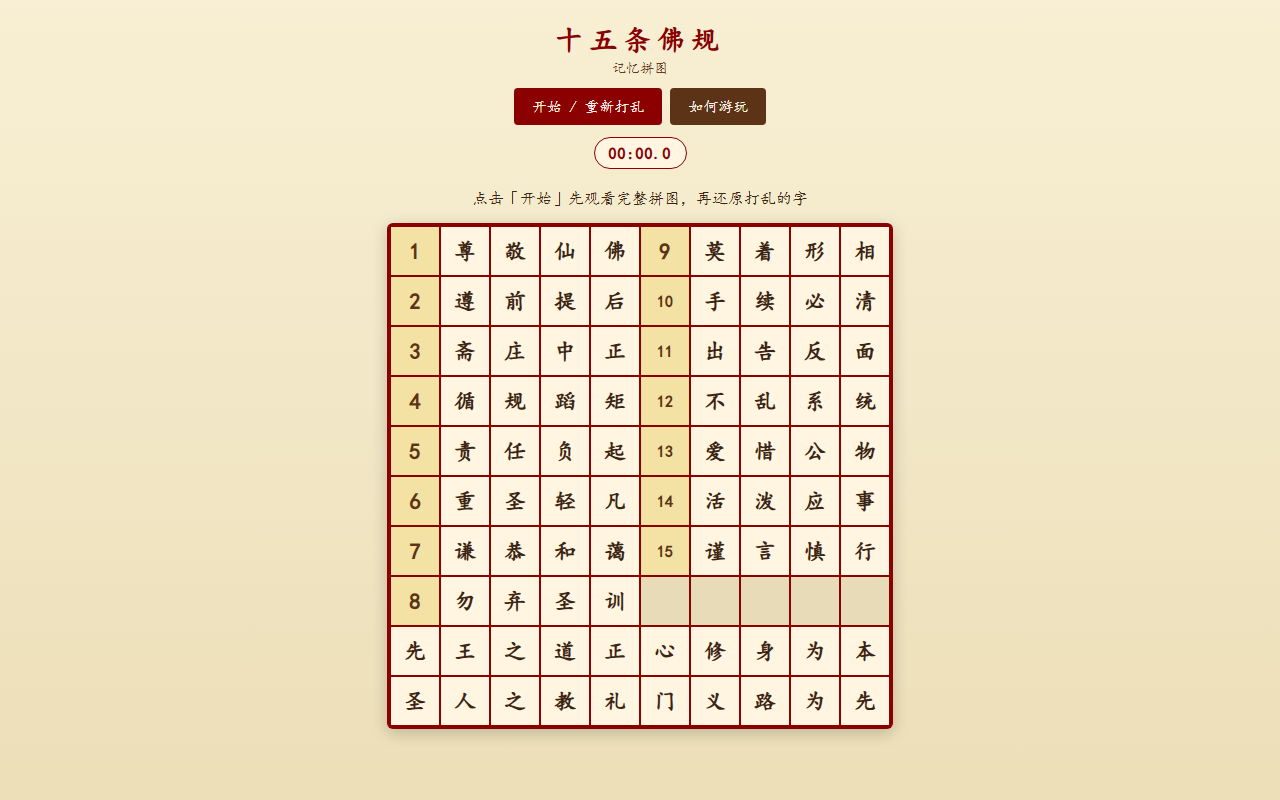
The puzzle's start screen, a ten-by-ten grid of Chinese characters with numbered rows for each of the fifteen precepts, a timer and two buttons.Playable

A tile puzzle about the Fifteen Precepts that I wrote for temple volunteering sessions. It's a single HTML file, so it can be opened and played anywhere.

Did you know? Even the sounds are generated in the browser, so there are no other files to load.

Tech

This is what the games run on. otomo and GGEngine each have a full post-mortem, where I go through the architecture, how the project evolved and where it ended up.

otomo

Backend: self-hosted, for Godot games

The otomo logo in blue, with the line "Open-source, vendor-neutral live-service orchestration".Post-mortem

A self-hosted backend for Godot live-service games, which I created and lead. It covers login, matchmaking, game servers, the economy and live config, and two live games run on it.

Did you know? The first real release failed, and then its rollback failed as well.

GGEngine

Engine: C++20, built by a team of nine

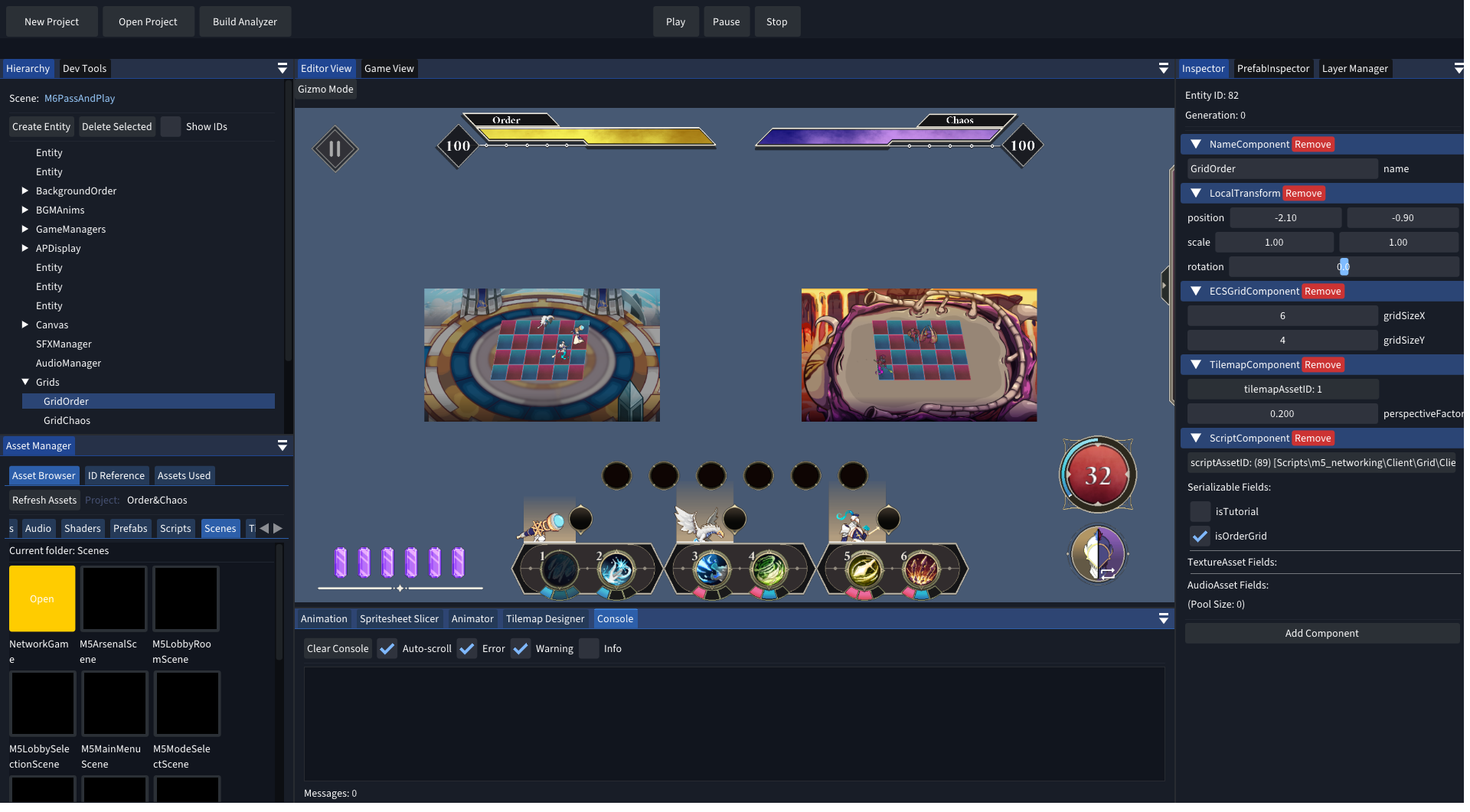
The GGEngine editor with the Order N Chaos pass-and-play scene open. The hierarchy on the left has the Order grid selected, the editor view in the middle shows both boards with their units under the game's HUD, and the inspector on the right lists the grid's transform, grid, tilemap and script components.Post-mortem

A custom C++20 engine built by our team of nine. I was the tech lead and wrote the networking, from the UDP transport up to the RPC system that our Lua scripts call.

Did you know? The first version of the RPC system let any packet call any Lua function by name.

A community game server

Live ops: a game that was shut down

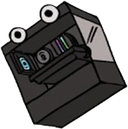
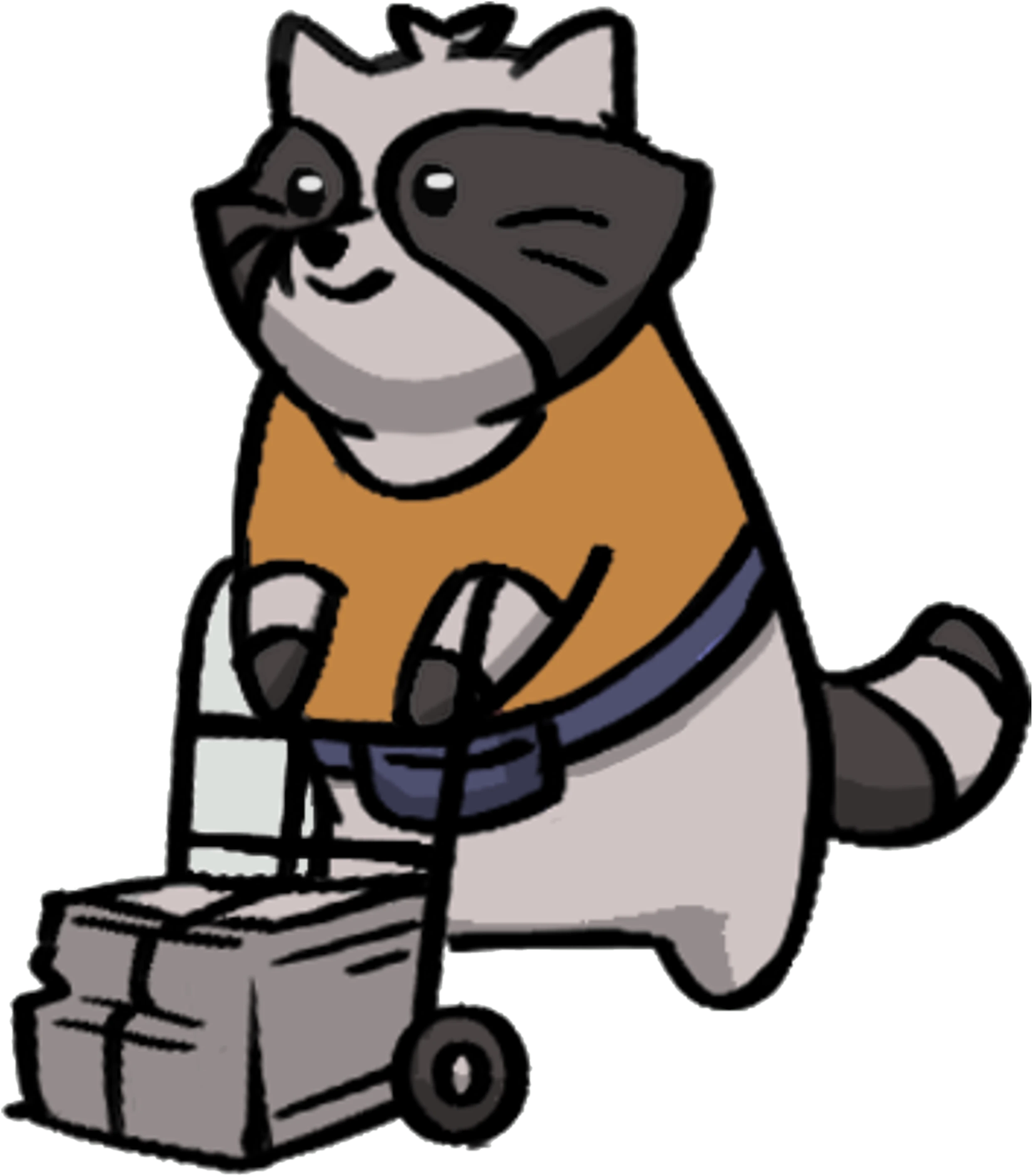
A cartoon raccoon peeks over the top of a grey server that has a plaster stuck on one corner and green lights on. A cable runs from the server to a phone showing a red heart.

I run the servers for a mobile game that its community brought back after it was shut down. That includes fixing client crashes from the server side, as we don't have the client's source code.

Did you know? In one week the servers handled 76 players and 831 matches with no server errors.

A* at 0.12x

Win: 1st of about 90, DigiPen

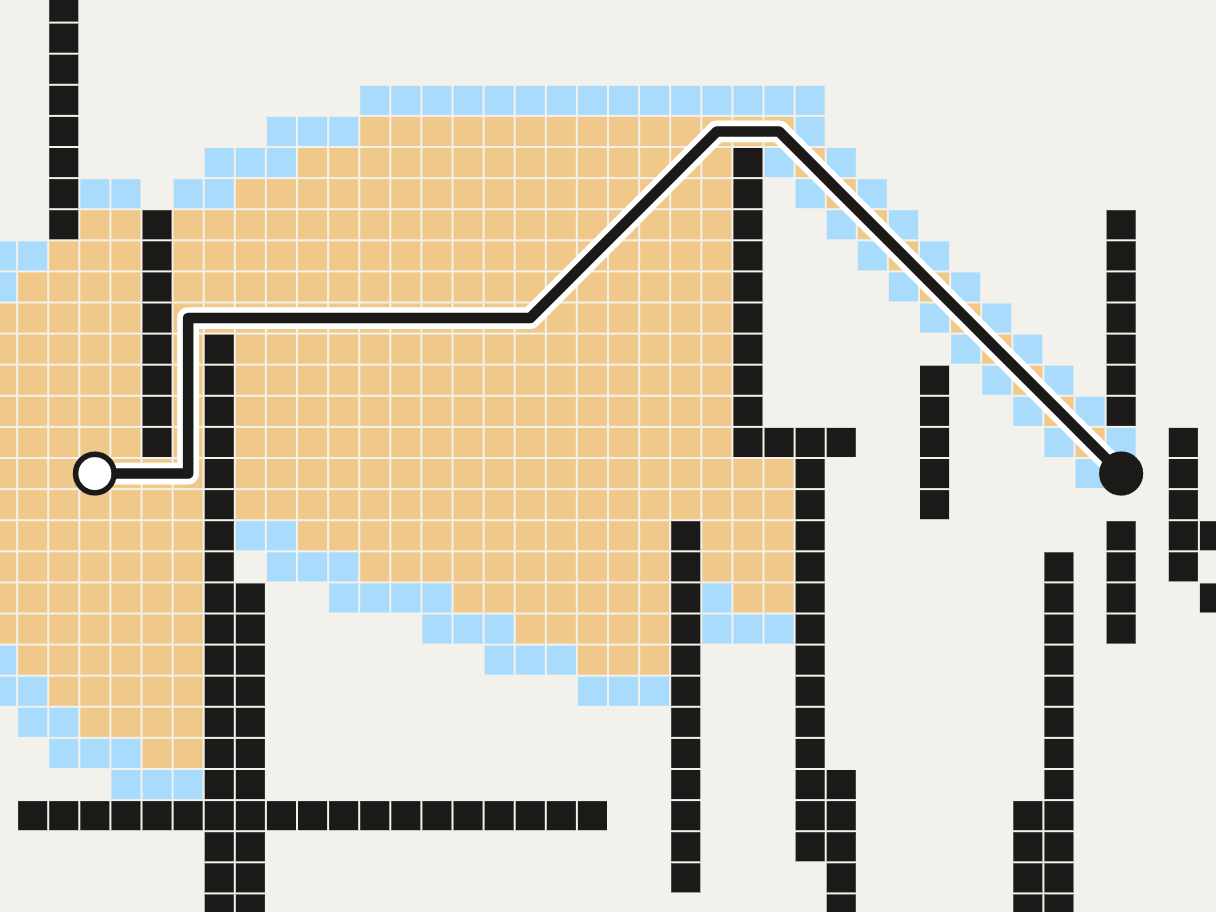
A grid with black walls. The cells the search looked at are shaded orange, the cells still waiting are blue, and a thick black line runs from the start dot around the walls to the goal dot.Try it

DigiPen's A* pathfinding challenge, which I won against about 90 students by cutting the runtime to 0.12x of the baseline. The search on this page is my actual C++ code, compiled to run in the browser.

Did you know? A node in my search is 8 bytes, so the whole 40x40 map fits in 12.8 KB.

Odds and ends

  • csd3116 and Drifto

    A group project for a low-level programming class. It started as a C client and server over Cyclone DDS with DDS Security, and became Drifto, a four-player elimination race with client prediction against 30 Hz snapshots from the host.

  • tanuki-cards

    Custom cards that I script in Lua and package for playing with friends.

The short version

Studying
B.Sc. Computer Science in Real-Time Interactive Simulation, at Singapore Institute of Technology and DigiPen Singapore. GPA 4.06 / 5.00. I finish in May 2028.
Teaching
I'm a teaching assistant for DigiPen's Software Engineering Project classes, where I help student teams debug their C/C++ games and Winsock networking, and advise them on architecture.
Looking for
a 12-month internship (IWSP), 3 May 2027 to 28 April 2028. My interests lie in game backends, netcode and engine work.

Read my resume

What I work with

Languages
C++ (primary), Go, C#, C, Java with JNI, Lua, Bash, SQL.
Game services
UDP netcode and reliability layers, RPC, Lua engine bindings, matchmaking, game-server allocation, ledger-based economies, release channels with rollback.
Infrastructure
Linux (Ubuntu), Docker and Docker Compose, Jenkins and GitHub Actions, PostgreSQL, Valkey, Caddy, nginx, Cloudflare R2.
Observability
Prometheus, Loki, Grafana Alloy, cAdvisor, alerting rules.
Networking
TCP/IP, DNS, HTTP and TLS, Berkeley sockets and Winsock, reverse proxies, rate limiting.
Performance
AVX2 SIMD, cache-aware data layout, profiling.
Spoken
English, Mandarin.

Get in touch

If you're looking for someone to work on game backends, netcode or engine code, I'd like to hear from you.